If you’re building a luxury home (or remodeling a special space), adding a wine cellar or dedicated wine-display area isn’t just about storage—it’s about creating a distinctive, functional, and entertaining element that reflects your lifestyle and design vision. At Orren Pickell Building Group, we believe your wine space should look incredible, store efficiently, and deliver memorable experiences for you and your guests.
Wine Racking & Display: Form Meets Function
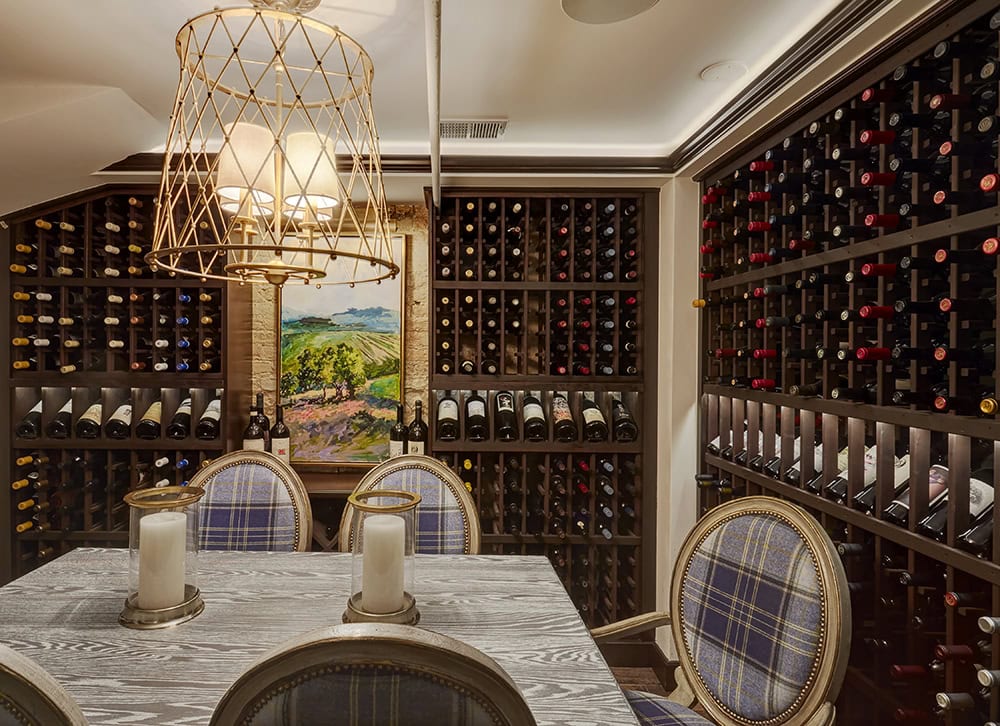
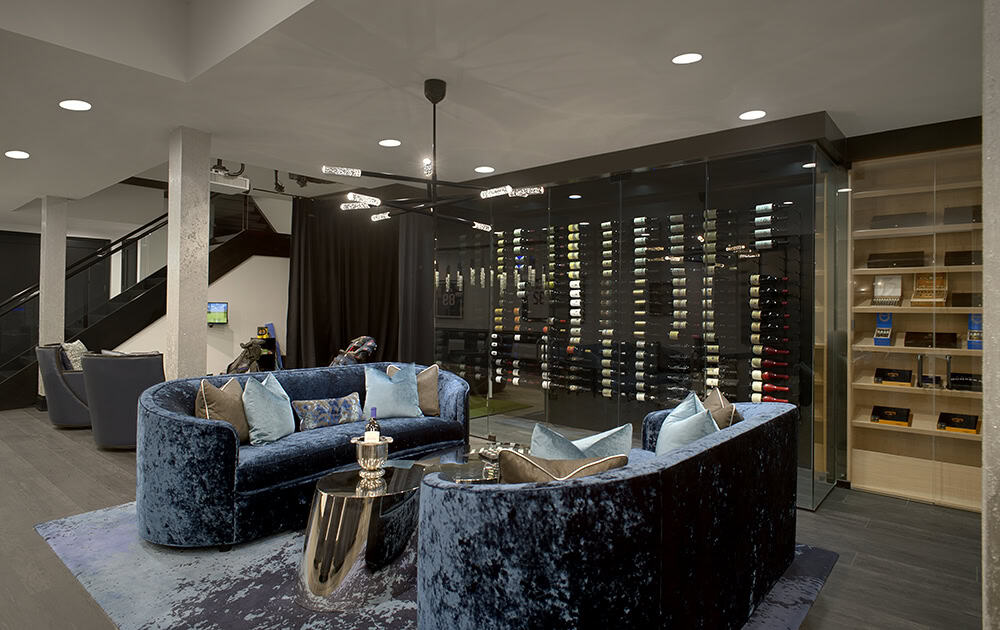
One of the first decisions in designing a custom wine cellar is racking style. Whether you lean toward warm wood or contemporary metal/glass, the right choice supports both storage and display.
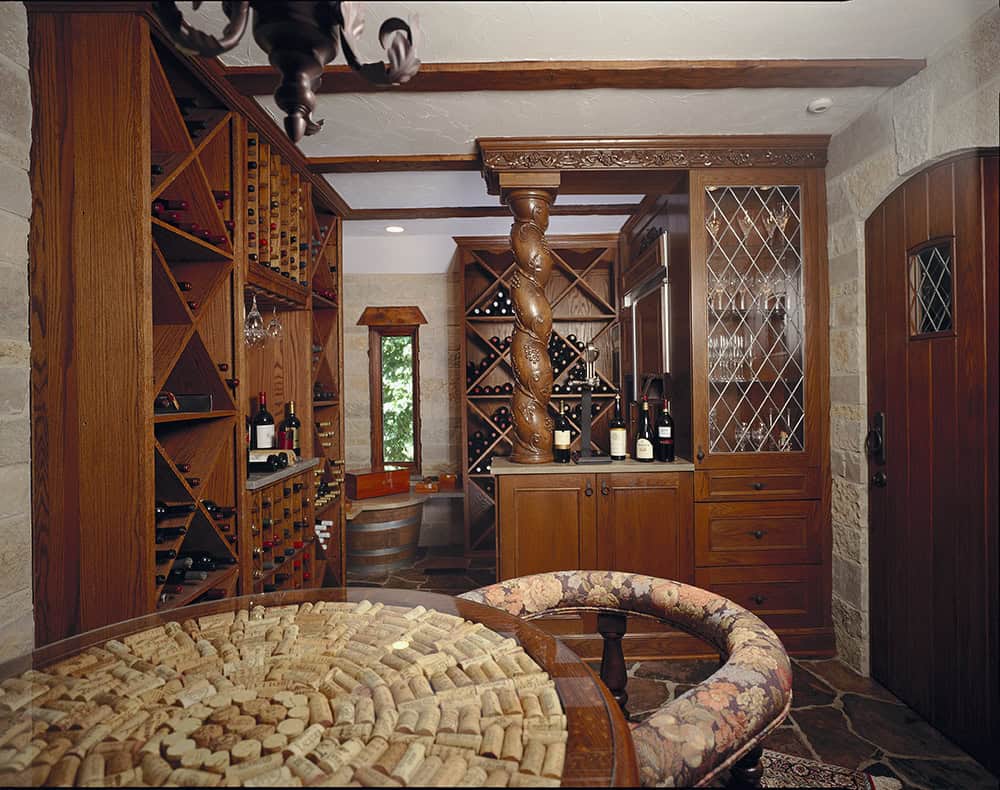
- Wood wine racks: traditional, elegant, and deep enough (typically 13”) to fit full-bodied bottles. Consider accents like crown and base moldings for a built-in feel.
- Metal or glass systems: modern and minimalist, especially effective when paired with glass wall enclosures and LED accent lighting.
Whichever style you select, be sure to include a tasting zone—a built-in table or bar seating—so your space serves for enjoyment, not just storage.
The Science of Storage: Temperature, Humidity & Placement
Proper storage isn’t optional if you’re serious about your collection.
- Temperature: Ideally 45-65 °F, with 55 °F often cited as optimal. House temps between 68-80 °F may accelerate aging by a factor of four.
- Humidity: Maintain 50-80 % relative humidity to keep corks from drying out and letting air seep into the bottles.
- Light & orientation: Avoid direct sunlight or strong UV-emitting bulbs. Store bottles horizontally (unless they have screw caps or non-cork closures).
A well-designed wine space protects not only the aesthetic of your home but the value of the wine itself.
Introducing Refrigerated Wine Walls
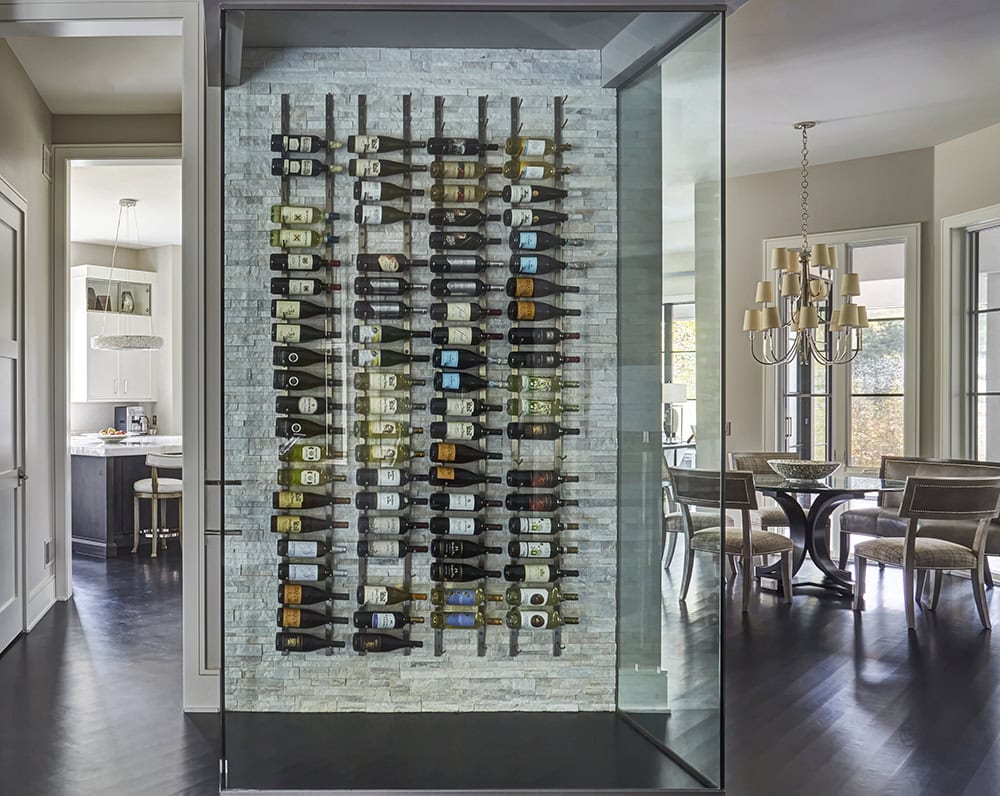
A modern alternative—or complement—to the classic cellar is a refrigerated wine wall. These vertical, glass-door display systems allow homeowners to showcase 200+ bottles, maintain precise climate control, and integrate seamlessly into design-forward spaces.
Benefits include:
- Immediate visibility of your collection under classy lighting
- Dual-zone capability (reds and whites at different temps)
- Placement flexibility (open living room, dining area, bar zone)
- High-end design and integrated lighting for both function and display
Incorporating a refrigerated wine wall allows your collection to become a showpiece while still preserving storage conditions.
Wet & Dry Bars on the Main Living Floor
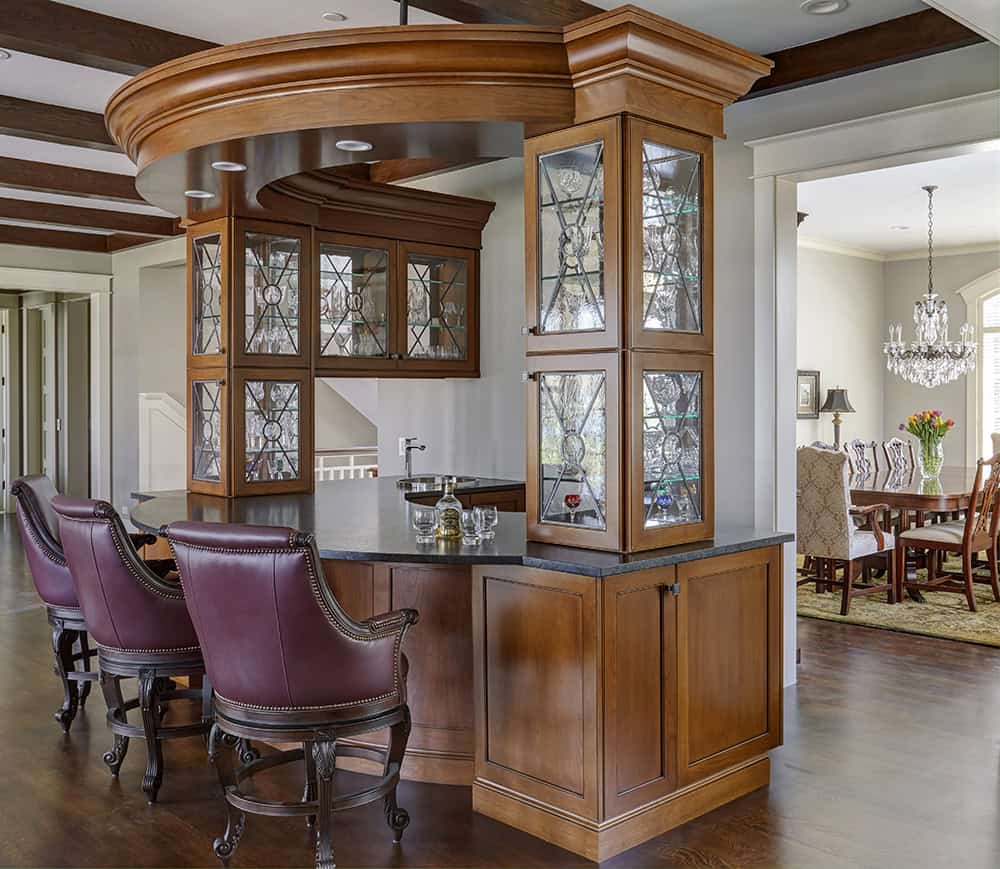
For many homeowners, the wine space evolves beyond the basement. On the main living level, adding a wet bar (with sink, beverage fridge, prep surface) or a dry bar (cabinetry, glassware storage, small fridge) offers entertaining convenience and elevated design.
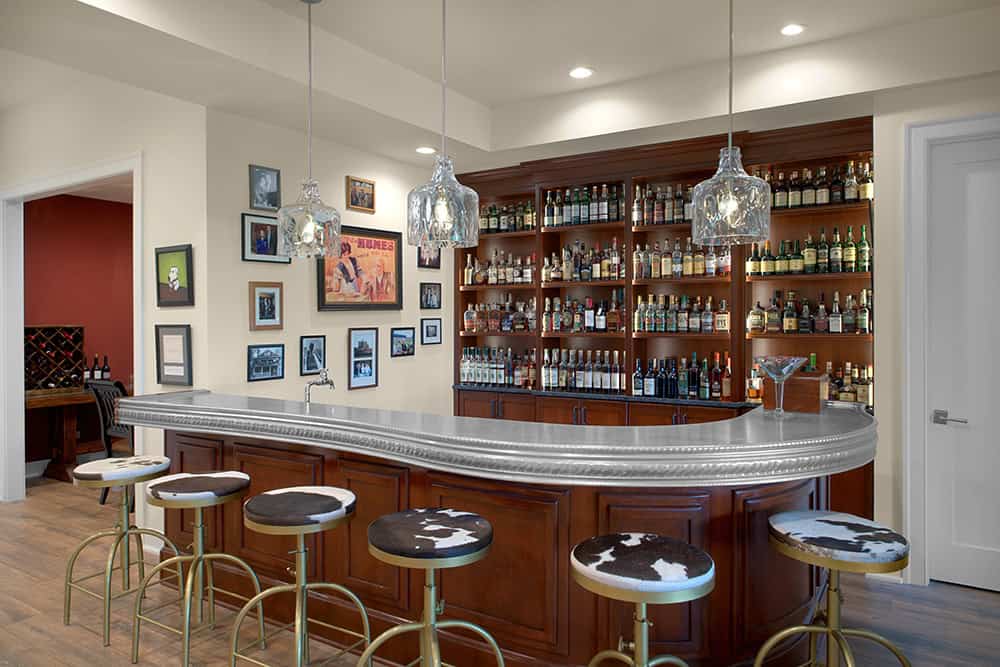
- Wet bar: Ideal for cocktail prep and hosting—includes sink, faucet, under-counter fridge, and wine glass storage.
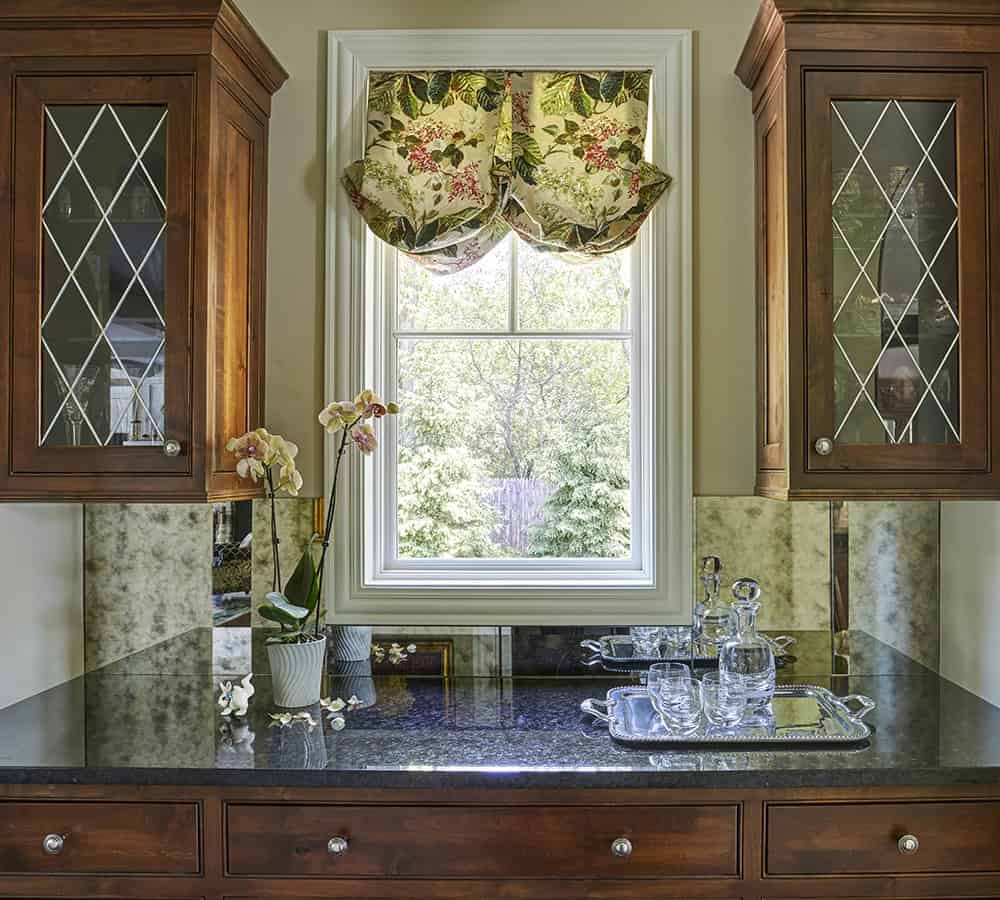
- Dry bar: Sleeker, built into the living room or dining area—perfect for wine display, decanters, and casual sipping.
Linking your wine-display system to a nearby bar adds flow and functionality: guests mingle in the living space while the collection remains accessible. It’s smart, stylish, and elevates everyday life.
Hosting & Tasting-Ready Features
Whether your wine room is for quiet evenings or entertaining dozens, consider these finish details:
- Built-in tasting table or banquette seating
- Accent lighting (wall washes, LED strips behind racks)
- Glass-enclosed walls to showcase collection
- Sound control: cushioned flooring, acoustic panels or carpet
- Aesthetic upgrades: cork tabletops, velvet seating, backlit bottle niches
Designing with both storage and social use in mind ensures your wine space is as inviting as it is functional.
Design Early & Integrate Seamlessly
The best results come when these wine-focused elements are planned from the start—not after the home is complete. Involve your builder, design team, and cabinetry/av vendor early so infrastructure (electrical, HVAC, framing) is integrated and hidden.
At Orren Pickell Building Group, we help homeowners bring ambitious features like refrigerated wine walls and wet/dry bars into the plan prior to final finishes—so the look is cohesive and the systems perform without compromise.
FAQs
What’s the ideal temperature for storing wine at home?
Most experts recommend keeping wine between 45°F and 65°F, with around 55°F considered optimal for long-term storage. Consistent temperature is key—avoid placing wine near heat sources or sunlight.
What’s the difference between a wet bar and a dry bar?
A wet bar includes a sink and plumbing, making it ideal for mixing drinks and rinsing glassware. A dry bar offers cabinetry, shelving, and refrigeration but no sink—perfect for wine display and casual entertaining in living or dining areas.
Do I need a full basement cellar to store wine properly?
Not at all. Refrigerated wine walls and climate-controlled cabinets can preserve your collection beautifully in main-level living spaces. These systems offer precise temperature control and elegant design integration.
Can I add a wine wall or bar to an existing home?
Yes—retrofits and remodels are common. A design-build team can evaluate electrical, ventilation, and space requirements to seamlessly integrate a wine wall or bar into your current home’s architecture.
How do I start designing a wine space or home bar?
Begin by identifying how you’ll use the space—display, entertaining, or long-term storage—and your aesthetic preferences. Then partner with an experienced custom home builder like Orren Pickell Building Group to plan layout, cabinetry, and systems that match your home’s design and function.
Raise a Glass to Custom Excellence
From wine racks to display walls, from lounge-worthy bar zones on your main floor to purpose-built cellars, the right design transforms a collection into a lifestyle. At Orren Pickell Building Group, we’re passionate about turning these spaces into beautiful, functional additions—built to last and built to be enjoyed.
Ready to include a standout wine feature in your custom home? Let’s talk design and build options now.